¿Por qué debería importarnos?
La capacidad de SCS para brindar una educación equitativa y de calidad se ve socavada por la alta rotación de docentes y las vacantes docentes de un año, así como por las importantes deficiencias de mantenimiento dentro de las escuelas, todo lo cual conduce a mayores costos financieros, educativos y de salud. La falta de acceso a servicios integrales proporcionados por trabajadores sociales, psicólogos y enfermeras calificados inhibe el tratamiento exitoso del trauma o las Experiencias Adversas en la Infancia (ACE). El abuso, la negligencia y el trauma aumentan significativamente la probabilidad de suspensiones, comportamiento delictivo juvenil y encarcelamiento. Con una mediana de edad cuatro años por debajo del promedio nacional, la población de Memphis puede apoyar el desarrollo económico, pero solo si brindamos a los niños de nuestra comunidad acceso a oportunidades y apoyo.
.png)
Equipping people of faith and goodwill to organize communities for systemic change through collective action.

Grupo de Trabajo de Equidad Educativa
¿Cuál es el problema?

Problemas relacionados con la pobreza, escuelas con mantenimiento deficiente, experiencias infantiles adversas, traumas, consecuencias desproporcionadas para los estudiantes de color, recursos insuficientes para servicios integrales (como enfermeras escolares, consejeros y trabajadores sociales) y apoyo inadecuado para los maestros, su desarrollo profesional y el aula. suministros, continúan afectando negativamente la calidad educativa y la asistencia escolar entre las Escuelas del Condado de Shelby (SCS).


¿Cuál es el problema?
1. More Buses, More Often
Memphians deserve a transit system they can count on. Expanding and restoring service will take a serious, long-term funding commitment from the city. Without frequent, reliable buses, the system fails the people who need it most.
2. Safe, Dignified Bus Stops
No one should wait for a bus in unsafe or inhumane conditions. We need real investment in shelters, lighting, sidewalks, and accessibility. Funding for safe infrastructure is a public safety and equity issue — not an optional upgrade.
3. Fair, Dedicated Transit Funding
Public transit must be treated as essential infrastructure — just like roads, bridges, and utilities. We’re calling for the City of Memphis to dedicate at least $50 million in annual local funding to MATA. This funding is the foundation for every other improvement riders deserve. Support a referendum to establish a new, sustainable, and independent source of permanent local Funding.
4. Free & Affordable Fares
For many Memphians, the bus is the only way to reach opportunity. Affordability should not be a barrier. With the right investment, we can create a system that keeps transit accessible to youth, seniors, low-income riders, and frequent users.
5. Convenient & Inclusive Experience
With intentional planning and engagement, public transit can serve everyone, regardless of race, class, disability, or age, where employees can get to work on time, students can use their college IDs as their bus passes, and parents can attend school functions and meetings at any time of day.
6. ADA Compliance Across All Services
Curb-to-curb paratransit service should be consistent with ADA rules and meet the needs of individuals with disabilities. This includes making reservations 1 day in advance. Fixed-bus routes and trolleys should also be ADA-compliant, giving people with disabilities multiple options for transportation.
7. Rider Power in Transit Decisions
We need a system that’s accountable to the people it serves. Riders must have a seat at the table — and that means investing in rider engagement, community planning, and meaningful representation on transit boards and advisory bodies.
8. Transparent and Ethical Governance
Good governance can foster trust, ensure stability, and protect human rights. Following years of poor transparency of financial management and operations at MATA, bus riders, voting citizens, and taxpayers deserve transparency to rebuild trust and ensure ethical decision-making.
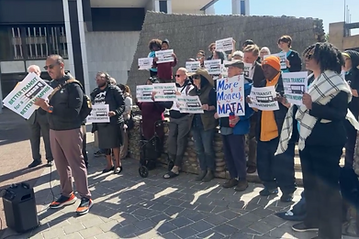
Mayor Young’s Transit Equity Day 2025 statement of support for transit
“Public transportation is more than just a means of travel—it is a vital resource that
connects people to opportunities, strengthens communities, and promotes environmental
sustainability...The City of Memphis remains committed to advancing these values
through our Transit Vision Plan, ensuring that our transit systems are inclusive,
reliable, and beneficial to all residents.”
How We Can Take Action!
Right now, BETTER TRANSIT in the Memphis area is in a critical phase. Your support can make a great impact locally on economic and racial equity, poverty and truly making a BETTER MEMPHIS. Together, we can build on our victory in February, securing $5 million in added City funds that are preventing drastic new service cuts.
Better Transit for a Better Memphis (BTBM), organized by MICAH and Sierra Club Chickasaw Group, is aimed at improving public transportation in Memphis, ensuring that our communities have reliable, affordable, and accessible transit options. Too many people in our city struggle with transportation barriers that limit access to better paying jobs, education, healthcare, and other essential services. A well-funded and efficient transit system connects people to stable employment, job training programs, educational opportunities and cultural events – key factors in breaking Memphis too high poverty and crime rates.
Send a letter to Mayor Young and the City Council persuading them to fund meaningful improvements and hold MATA accountable for making these improvements.